
Aruba Wi-Fi 7 Access Points
Wi-Fi 7 buying guide: Aruba 730, 750, and 760 Series 6 GHz access points
Overview
The Aruba 730, 750, and 760 Series are HPE Aruba Networking's current Wi-Fi 7 (802.11be) access points, built for buyers deciding whether a 2026 wireless refresh should move past Wi-Fi 6E. The 730 Series (AP-734/AP-735) is the value-tier Wi-Fi 7 entry point with 2x2 radios and dual 5 Gbps uplinks; the 750 Series (AP-754/AP-755) is the 4x4 flagship with dual 10 Gbps uplinks and built-in location services; the 760 Series (AP-763/764/765/765EX) brings the same 802.11be standard to outdoor and hazardous-location enclosures.
The buying decision is not just radio generation, it is whether your PoE switching and cable plant can feed what these APs actually need. The 730 Series wants Class 4-or-higher 802.3at/bt PoE on a port that can auto-sense up to 5 Gbps; the 750 Series wants Class 6 PoE on a 10 Gbps-capable port to run without feature restrictions. Undersizing either silently caps throughput even though the AP still powers on and associates clients normally.
As an authorized HPE and HPE Aruba Networking partner, Uniqcli sources these APs, the matching Aruba CX switching, and Aruba Central licensing as one quote, and can confirm TAA-compliant part numbers and country-of-origin documentation for federal buyers before you commit budget.
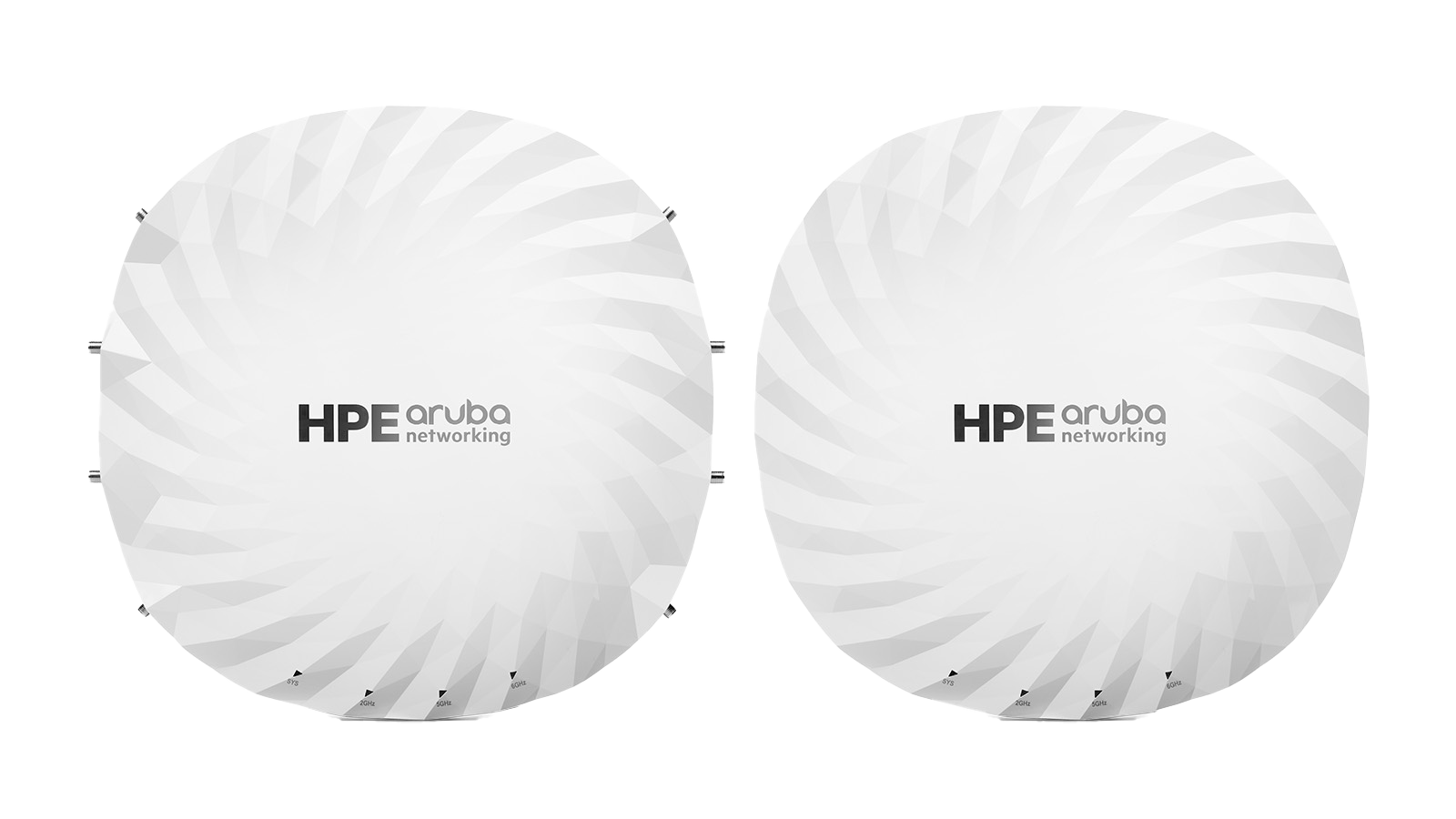
A closer look
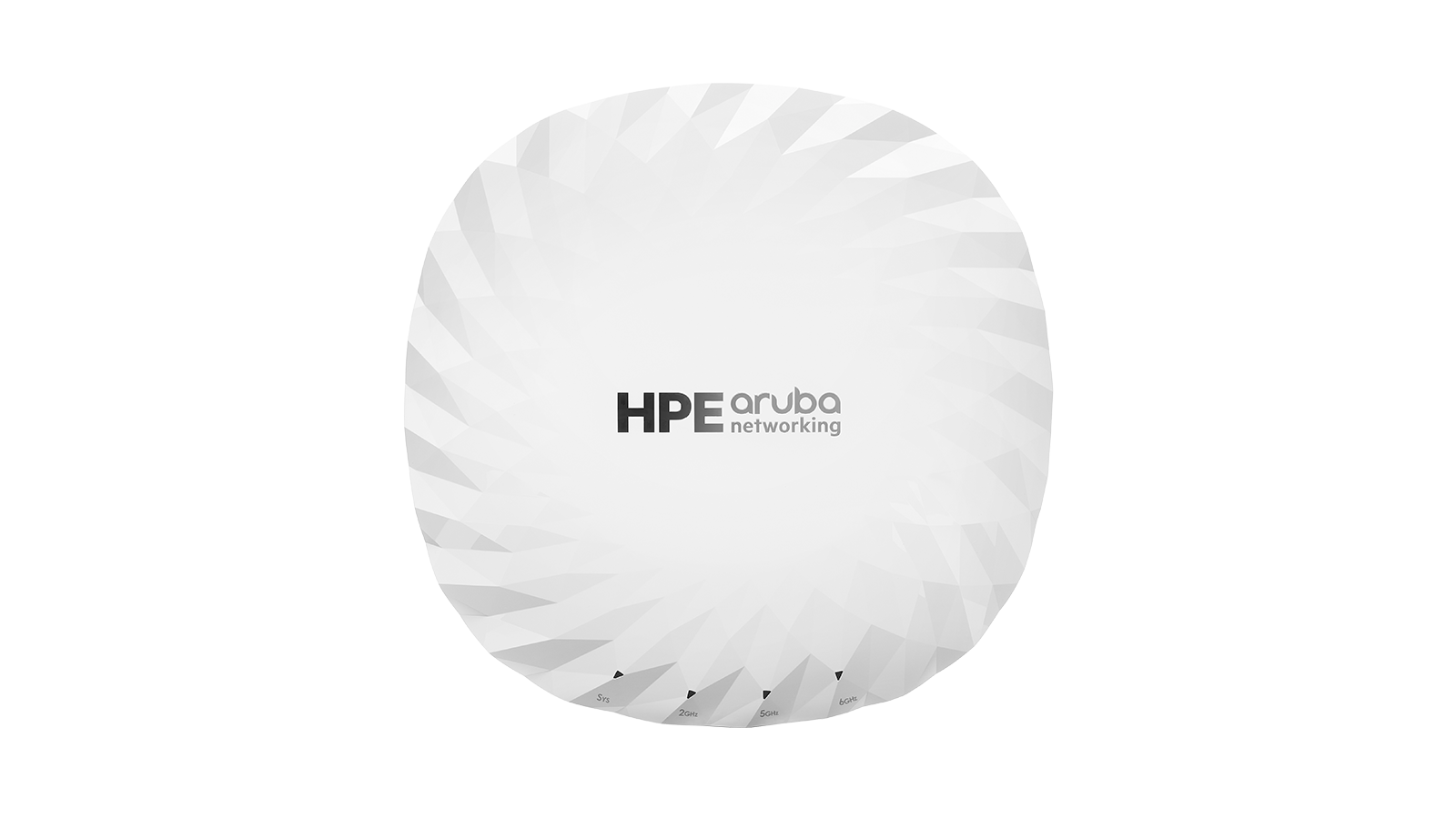

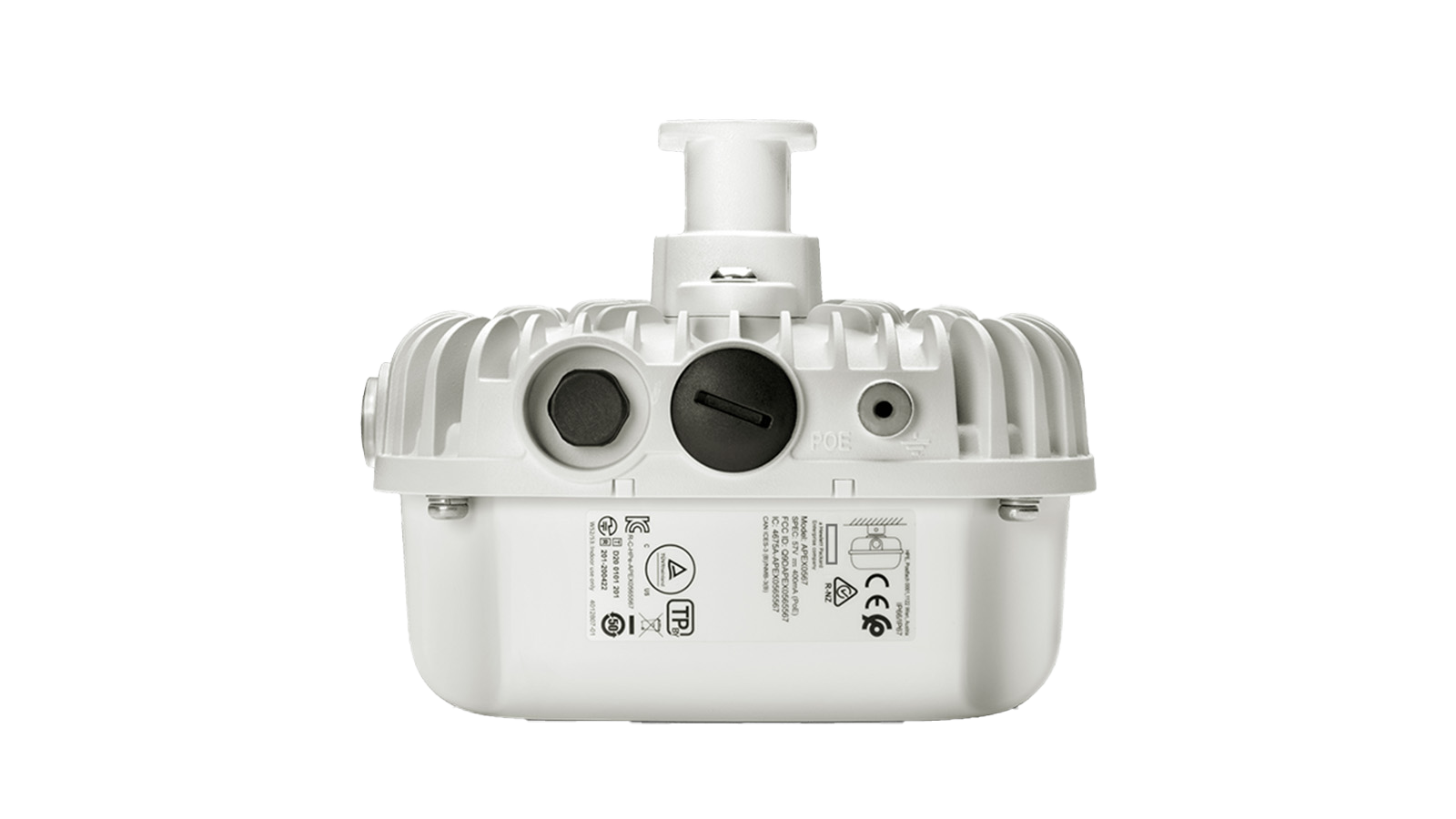
Why Aruba Wi-Fi 7 Access Points
Wi-Fi 6E already uses the 6 GHz band, so the real reason to pay for Wi-Fi 7 is Multi-Link Operation, 320 MHz channels, and 4K-QAM, features that need both a Wi-Fi 7 AP and a Wi-Fi 7 client to matter. For a buyer planning a refresh that has to last through the client-device turnover cycle, that makes the 730/750/760 Series a longer-runway purchase than another 6E cycle, provided the PoE switching behind it is sized for what these APs actually draw and the uplink speed they need to avoid becoming the bottleneck instead of the client radio.
730 Series: 6 GHz Wi-Fi 7 without the 4x4 price tag
AP-734/AP-735 deliver up to 9.3 Gbps tri-band (14.4 Gbps in flexible dual-6 GHz mode) on 2x2 radios with dual 5 Gbps uplinks, the entry point for a genuine Wi-Fi 7 standard rather than a 6E AP with a Wi-Fi 7 label.
750 Series: the 4x4 flagship for maximum density
AP-754/AP-755 push to 18.7 Gbps tri-band and up to 28.8 Gbps in dual-radio mode on 4x4 MIMO, with dual 10 Gbps ports, GNSS-based sub-meter location, and barometric altitude sensing.
760 Series brings Wi-Fi 7 outdoors and into hazardous areas
AP-763/764/765/765EX extend 802.11be to IP66/IP67-rated enclosures, including ATEX Zone 2 and Class 1 Division 2 certified models for industrial and hazardous-location coverage.
30% more usable 6 GHz capacity via UTB filtering
HPE's patented Ultra Tri-Band filtering on the 730 Series keeps adjacent 5/6 GHz radios from interfering, which is what unlocks the extra 6 GHz throughput headroom over a conventional tri-band design.
Dual IoT radios double onboarding capacity per AP
730 and 750 Series APs each run two independently configurable IoT radios (BLE plus Zigbee) instead of one, connecting roughly 2x the IoT devices per access point versus the prior single-radio generation.
PoE and switch planning is now part of the AP decision
The 750 Series needs Class 6 PoE on a 10 Gbps-capable port to run unrestricted; undersizing your switch (legacy 802.3af, 1 Gbps ports) silently caps the AP's throughput even though it still powers on.
What it does
Tri-band 6 GHz radios tuned per series
The 730 Series runs three 2x2 radios (2.4/5/6 GHz); the 750 Series steps up to three 4x4 radios on the same three bands. Both support reconfiguring into dual-5 GHz or dual-6 GHz modes when a site needs more capacity on one band instead of even tri-band coverage.
Multi-Link Operation (MLO) and 320 MHz channels
802.11be lets Wi-Fi 7 clients bond multiple bands into one logical link (MLO) and use channels up to 320 MHz wide in 6 GHz, doubling the channel width Wi-Fi 6E tops out at (160 MHz) for supported clients.
4K-QAM modulation for higher peak throughput
4096-QAM packs 12 bits per symbol versus the 1024-QAM ceiling on Wi-Fi 6/6E, raising the theoretical per-stream data rate on clients and channel conditions that can sustain it.
Dual multi-gig or 10 Gbps uplinks for hitless failover
The 730 Series carries dual 5 Gbps Smart Rate ports (100/1000/2500/5000BASE-T); the 750 Series doubles that to dual 10 Gbps Smart Rate ports, so a single switch or cable failure does not take the AP offline.
Dual IoT radios and USB expansion
730 and 750 Series APs each carry two IoT radios (Bluetooth 5.4/6 plus 802.15.4 Zigbee, independently configurable) and two USB 2.0 Type-A ports, doubling the IoT radio count of prior-generation single-BLE designs.
Built-in GNSS and sub-meter location on the 750 Series
AP-754/755 include a GNSS receiver and barometric pressure sensor, plus 802.11az fine-timing measurement (FTM) for sub-1-meter indoor positioning, useful for asset tracking and wayfinding without a separate location appliance.
Ultra Tri-Band (UTB) filtering
Both series use HPE's patented UTB hardware filtering to keep the 5 GHz and 6 GHz radios from stepping on each other, which is what lets the 730 Series claim up to 30% more usable 6 GHz capacity than a conventional tri-band design.
Hardened and outdoor Wi-Fi 7 with the 760 Series
AP-763/764/765 bring 802.11be to IP66/IP67-rated outdoor and industrial enclosures, with the AP-765EX adding Class 1 Division 2 and ATEX Zone 2 certification for hazardous-location deployments, operating from -40C to +65C.
The Aruba Wi-Fi 7 Access Points lineup
HPE Aruba Networking AP-735 (730 Series, internal antenna)
The entry point into genuine Wi-Fi 7 with 6 GHz and MLO, sized for standard campus and office density.
Tri-radio 2x2 Wi-Fi 7, up to 9.0-9.3 Gbps tri-band (14.4 Gbps dual-6 GHz mode), dual 5 Gbps Smart Rate ports
HPE Aruba Networking AP-734 (730 Series, external antenna)
For high-ceiling, warehouse, or manufacturing floors that need directional or high-gain external antennas.
Same 2x2 radio and uplink spec as AP-735 with RP-SMA connectors for external antennas
HPE Aruba Networking AP-755 (750 Series, internal antenna)
The flagship for maximum density and throughput, with built-in sub-meter location services.
Tri-radio 4x4 Wi-Fi 7, up to 18.7 Gbps tri-band (28.8 Gbps dual-radio mode), dual 10 Gbps Smart Rate ports, GNSS
HPE Aruba Networking AP-754 (750 Series, external antenna)
Flagship 750 Series performance for sites that need custom antenna patterns.
Same 4x4 radio and dual 10 Gbps uplink spec as AP-755 with external RP-SMA antenna connectors
HPE Aruba Networking AP-765 (760 Series, outdoor)
Outdoor coverage for yards, parking areas, and warehouse exteriors rated for -40C to +65C.
Dual-radio 2x2 Wi-Fi 7, up to 5.8 Gbps (4x4 single-band 6 GHz mode) or 4.3 Gbps dual-band, IP66/IP67, single 5 Gbps port
HPE Aruba Networking AP-765EX (760 Series, hazardous location)
Wi-Fi 7 coverage for industrial sites with combustible dust or gas classification requirements.
Same radio spec as AP-765 with Class 1 Division 2 and ATEX Zone 2 certification
HPE Aruba Networking AP-763/AP-764 (760 Series, indoor industrial)
Ruggedized indoor coverage for manufacturing floors and logistics facilities without full outdoor exposure.
Compact Wi-Fi 7 hardened form factor variants of the 760 Series for indoor industrial environments
At a glance
- Wi-Fi standard
- Wi-Fi 7 (802.11be) with MLO, 320 MHz channels, and 4K-QAM
- 730 Series radios
- Tri-radio 2x2 MIMO across 2.4/5/6 GHz; dual-5 GHz or dual-6 GHz mode selectable
- 750 Series radios
- Tri-radio 4x4 MIMO across 2.4/5/6 GHz; dual-5 GHz or dual-6 GHz mode selectable
- 760 Series radios
- Dual-radio 2x2 MIMO, any two of 2.4/5/6 GHz, or single-radio 4x4 6 GHz mode
- 730 / 750 / 760 max aggregate rate
- Up to 9.0-9.3 / 18.7 / 5.8 Gbps standard mode; up to 14.4 / 28.8 / 4.3 Gbps in dual-radio modes
- Wired uplinks
- 730: dual 5 Gbps Smart Rate; 750: dual 10 Gbps Smart Rate; 760: single 5 Gbps port
- PoE requirement
- 802.3at/bt, Class 4 minimum; Class 5/6 required to run without feature restrictions
- IoT radios
- Two per AP on 730/750 Series: Bluetooth 5.4/6 plus 802.15.4 Zigbee, independently configurable
- Environmental rating (760 Series)
- IP66/IP67, -40C to +65C; AP-765EX adds Class 1 Div 2 and ATEX Zone 2
- Management
- HPE Aruba Networking Central (cloud) or on-premises, running AOS-10
Up to 30% more usable 6 GHz capacity
730 Series UTB filtering vs. conventional tri-band design(vendor-published figure)
Up to 28.8 Gbps maximum aggregate data rate
750 Series in dual-radio (dual 5 GHz or dual 6 GHz) mode(vendor-published figure)
IP66/IP67 rated, -40C to +65C operating range
AP-765 (760 Series) outdoor environmental rating(vendor-published figure)
How to buy Aruba Wi-Fi 7 Access Points
The 730, 750, and 760 Series are sold as complete access points, not as bare radios, so pricing bundles the AP with the antenna configuration and PoE requirements you choose. Uniqcli quotes the AP, the AOS-10 or HPE Aruba Networking Central license tier, and the PoE-capable switch port in one bill of materials so procurement sees a single number.
Per-AP hardware purchase plus Aruba Central subscription
Buy the AP-734/735, AP-754/755, or AP-763/764/765 outright and attach a Foundation or Advanced HPE Aruba Networking Central license per device. This is the standard path for capital-budget refreshes and most GPC/SAP/FAR task orders.
HPE GreenLake for networking (consumption/subscription)
Wrap the same Wi-Fi 7 hardware in a GreenLake as-a-service agreement to convert capex into a predictable subscription, useful for SLED and healthcare buyers on annual operating budgets rather than capital cycles.
Federal and public-sector contract vehicles
TAA-compliant SKUs (AP-735 as S1G48A, AP-754 as S1G80A, AP-765 as S4K24A) are quotable against GSA MAS (application in progress), GPC direct, and SAP/FAR channels task orders. Confirm the TAA part number before you cut a federal PO; the non-TAA SKU is a different line item.
GPC (government purchase card) for small buys
Single-AP or small-lab orders under the micro-purchase threshold can move on a GPC. Uniqcli processes these directly without a formal quote cycle when the SKU and quantity are already known.
Refresh and trade-in credit against Wi-Fi 6/6E fleets
Retiring 500/600/650 Series Wi-Fi 6E or Wi-Fi 6 APs can offset the cost of a 730/750/760 upgrade. Ask about our refresh program when you send a current inventory list.
Where it fits
Frequently asked
Should we buy Wi-Fi 7 or stick with Wi-Fi 6E for a 2026 refresh?
Buy Wi-Fi 7 (730 or 750 Series) for any new build or full refresh planned to last 5+ years: MLO, 320 MHz channels, and 4K-QAM give it a longer runway, and the 730 Series is priced close to a 6E AP once you account for the platform lifespan. Stick with Wi-Fi 6E only if you are extending an existing 650/630/600 Series deployment and want spares consistency.
What is the real difference between the 730 Series and 750 Series?
Radio density and uplink speed. The 730 Series (AP-734/735) uses 2x2 radios with dual 5 Gbps uplinks and tops out around 9 to 9.3 Gbps tri-band (up to 14.4 Gbps in dual-6 GHz mode). The 750 Series (AP-754/755) uses 4x4 radios with dual 10 Gbps uplinks, reaching up to 18.7 Gbps tri-band and 28.8 Gbps in dual-radio mode, plus GNSS and sub-meter location that the 730 Series lacks.
Does our existing PoE switching support these Wi-Fi 7 access points?
Check your PoE class and port speed before you order. The AP-735 needs 802.3at/bt Class 4 or higher on a port that can auto-sense up to 5000BASE-T; the AP-755 needs Class 6 PoE feeding a 10 Gbps-capable port to run unrestricted. A switch stuck at legacy 802.3af or 1 Gbps ports will bottleneck or feature-limit these APs even though they power up.
Which Aruba CX switch pairs with a 730/750 Series rollout?
The Aruba CX 6300 line is the common match: it delivers HPE Smart Rate 1/2.5/5/10GbE ports with Class 4 (30W), Class 6 (60W), or Class 8 (90W) PoE per port depending on model, covering both the 730 Series (5 Gbps, Class 4+) and 750 Series (10 Gbps, Class 6) power and speed requirements from one switch family.
Is the AP-765 rated for outdoor or hazardous-location use?
Yes. The AP-765 is IP66/IP67 rated for water and dust with an operating range of -40C to +65C (with solar cover), and the AP-765EX variant adds Class 1 Division 2 and ATEX Zone 2 certification for hazardous industrial sites. It runs 2x2 MIMO with up to 5.8 Gbps aggregate in single-radio 6 GHz mode.
Can Uniqcli supply TAA-compliant Wi-Fi 7 access points for a federal contract?
Yes. The AP-735, AP-754, and AP-765 each have a distinct TAA-compliant SKU (S1G48A, S1G80A, and S4K24A respectively) separate from the standard US part number. Tell us the model and quantity and we will quote the correct TAA line item against GSA, GPC direct, or SAP/FAR channels.
Where do we get an official quote for these access points?
Send your site count, AP model preference, and switch/PoE inventory through Uniqcli's quote tool at /quote, or start with /bom if you are assembling a full refresh (APs, switching, and licensing) as one bill of materials. We return pricing against the contract vehicle you specify.
Do we need a new HPE Aruba Networking Central license for Wi-Fi 7 APs?
Yes, a Foundation or Advanced Central subscription is required per AP regardless of Wi-Fi generation; hardware and licensing are billed separately. We quote both together so the total cost of the refresh is visible before you commit budget.
What is Multi-Link Operation and does it require new client devices?
MLO lets a Wi-Fi 7 client bond multiple radio links (for example 5 GHz plus 6 GHz) into one connection for lower latency and better reliability. It requires an 802.11be client to take advantage; older Wi-Fi 6E and Wi-Fi 6 devices still connect to the same AP but fall back to single-link operation.
Works with
A Wi-Fi 7 access point is only as fast as the switch port and PoE budget behind it. Pair the 730/750/760 Series with multi-gig or 10 Gbps PoE switching, Aruba Central for the management and AI tuning layer, and ClearPass or Central's built-in NAC for identity-aware access at the edge.
Compare before you buy
All comparisonsAruba AP-735 vs Aruba AP-655
Aruba AP-735 vs AP-655: Wi-Fi 7 vs Wi-Fi 6E AP
Aruba AP-755 vs Aruba AP-655
Aruba AP-755 vs AP-655: Wi-Fi 7 vs 6E Compared
HPE Aruba Networking AP-755 vs Cisco Catalyst 9178 (CW9178I)
Aruba AP-755 vs Cisco Catalyst 9178: Wi-Fi 7 AP Compared
HPE Aruba Networking AP-755 vs Juniper Mist AP47
Aruba AP-755 vs Juniper Mist AP47: Wi-Fi 7 APs Compared
Related in Networking
Aruba Access Points & Wi-Fi
The full Aruba AP portfolio, from entry Wi-Fi 6 to flagship Wi-Fi 7, matched to your density, environment, and budget

Aruba Central
AI-native cloud management for the whole network, with agentic AIOps and a GreenLake Copilot that reasons and acts

Aruba ClearPass Policy Manager
The multivendor NAC engine behind Aruba's Zero Trust access, hardware, virtual, or GreenLake, sized from 100 to 100,000 endpoints
Shop Aruba Wi-Fi 7 Access Points in the catalog
See all results
Juniper Wireless Access Point (Wi-Fi) MPIM
SRX-MP-WLAN-US
Juniper Wireless Access Point (Wi-Fi) MPIM
Juniper Wireless Access Point (Wi-Fi) MPIM
SRX-MP-WLAN-IL
Juniper Wireless Access Point (Wi-Fi) MPIM
Juniper Wireless Access Point (Wi-Fi) MPIM
SRX-MP-WLAN-WW
Juniper Wireless Access Point (Wi-Fi) MPIM
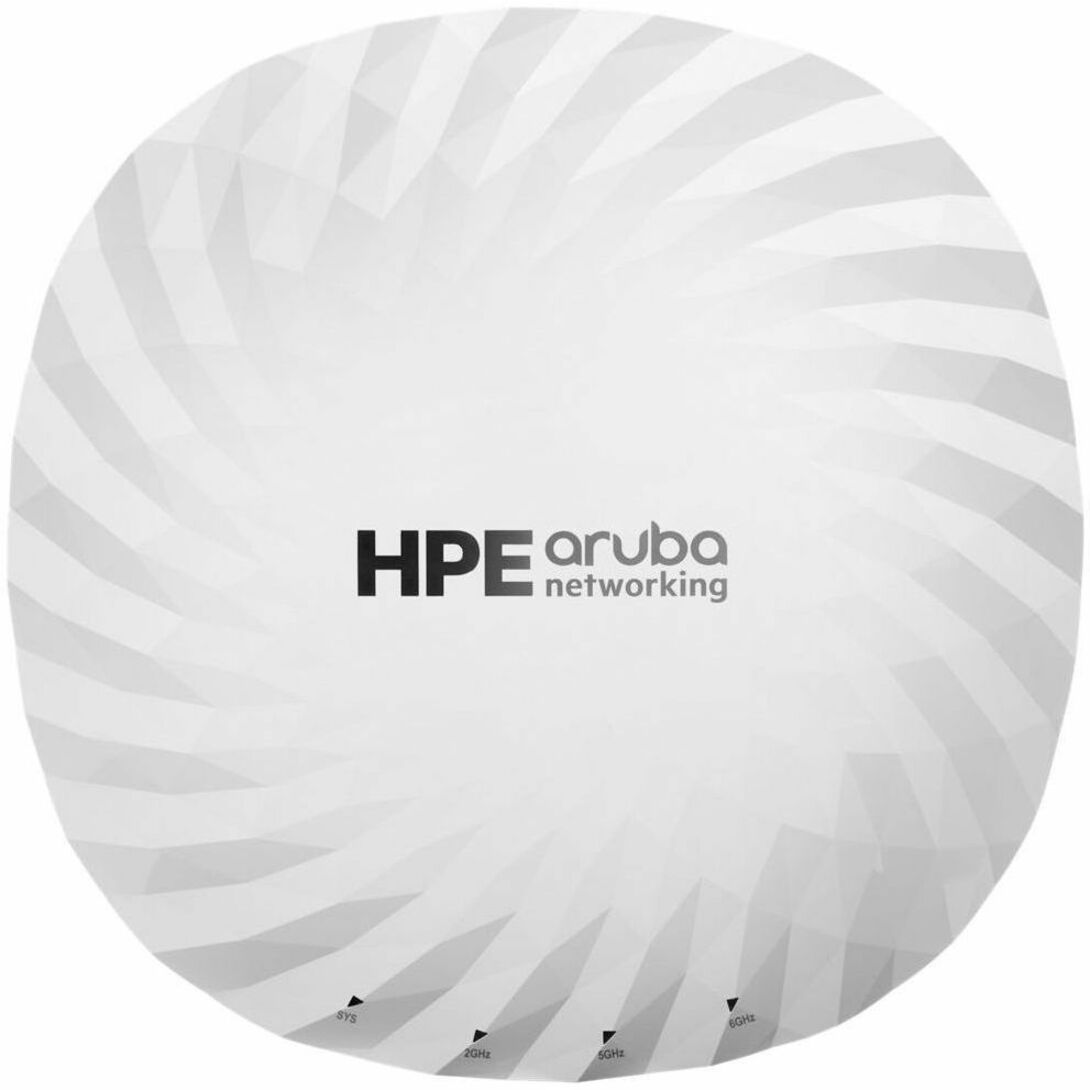
S1G84AR
Aruba AP-755 Wi-Fi 7 IEEE 802.11be Wireless Access Point
S0G24A
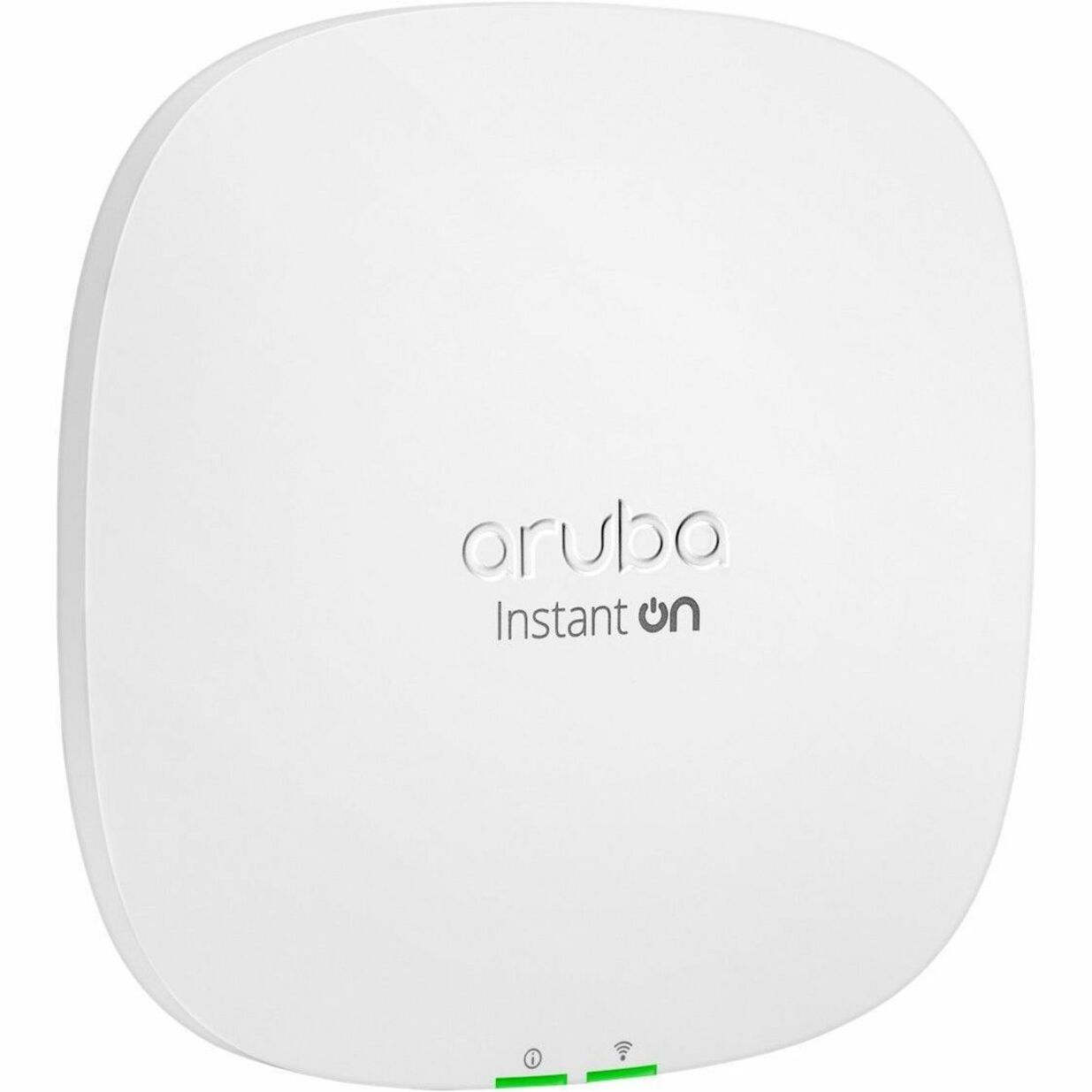
HPE Instant On AP25 Dual Band Wi-Fi 6 IEEE 802.11 a/b/g/n/ac/ax 5.18 Gbit/s…
R8N34A
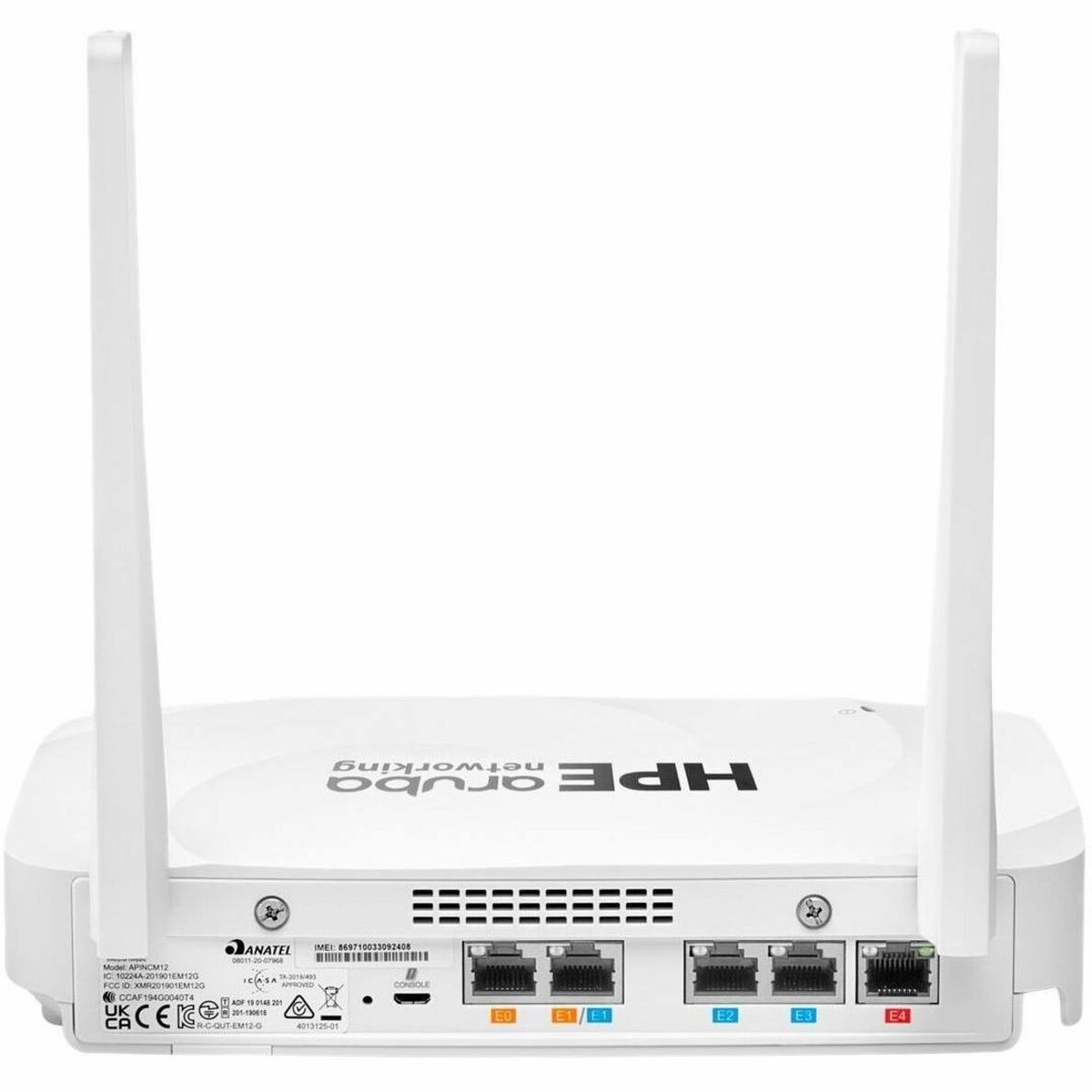
Aruba AP-605CM12 Wireless Module
JZ333A
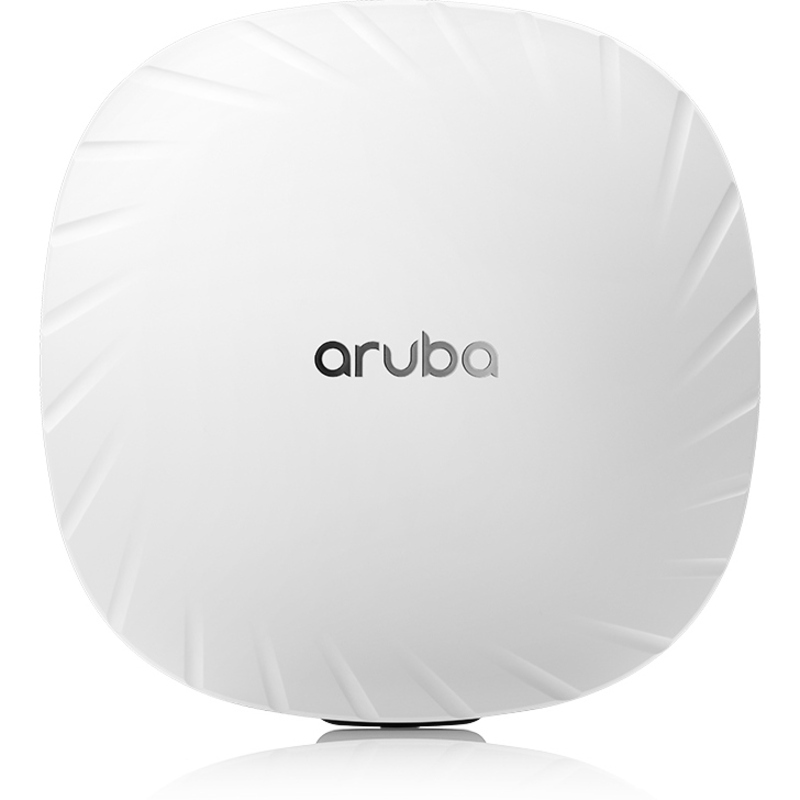
HPE AP-535 Dual Band 802.11ax 2.40 Gbit/s Wireless Access Point
Juniper Wi-Fi 6E IEEE 802.11ax Wireless Access Point
MIST-AP24-AI-POC
Juniper Wi-Fi 6E IEEE 802.11ax Wireless Access Point
Build your HPE bill of materials.
Send us the requirement, the project, or an existing quote to beat. We come back with a validated, TAA-compliant HPE configuration and a real price, often below list.
connect [at] getuniqcli.com · Chicago, IL