
Aruba Access Points & Wi-Fi
The full Aruba AP portfolio, from entry Wi-Fi 6 to flagship Wi-Fi 7, matched to your density, environment, and budget
Overview
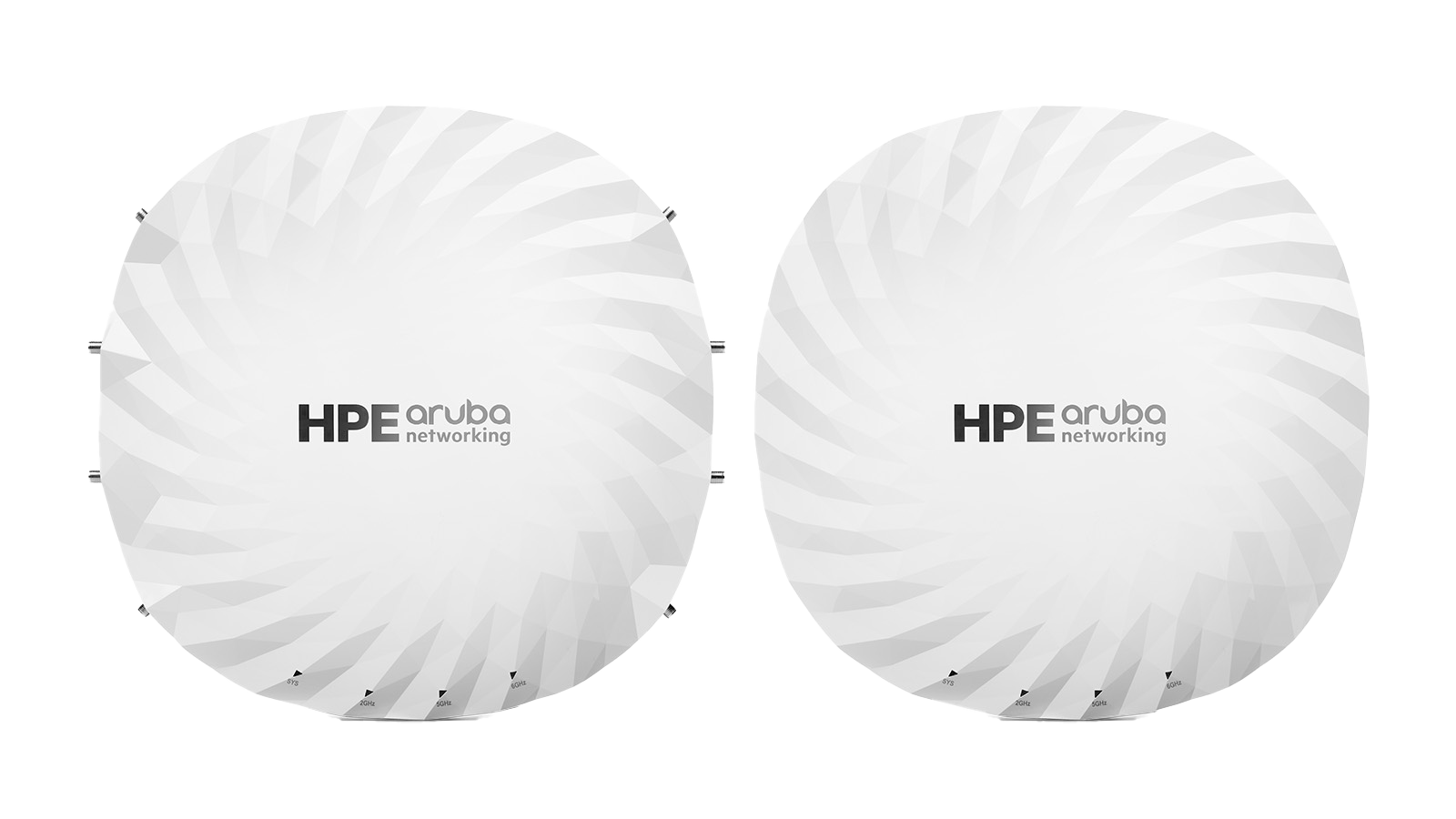
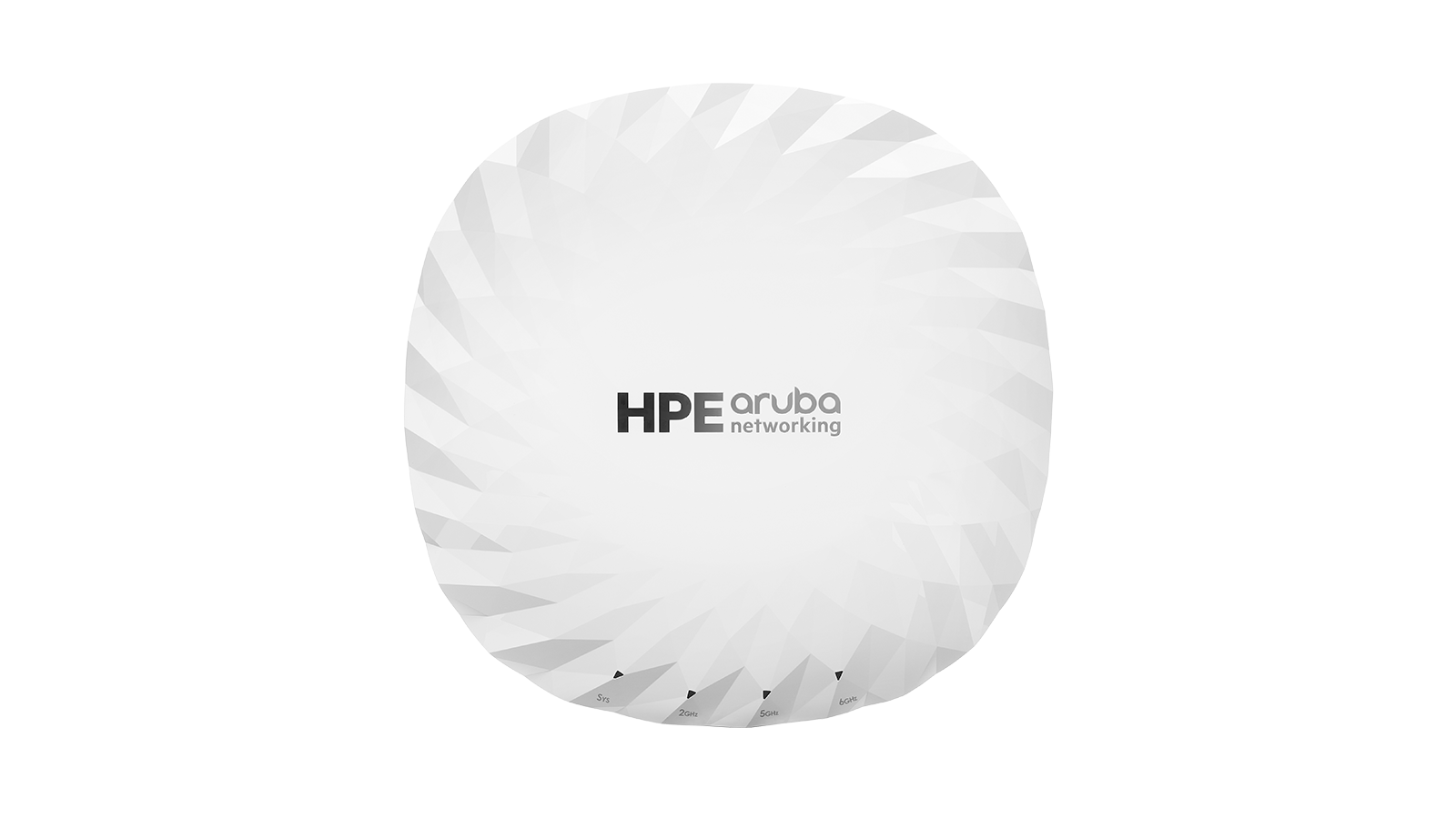
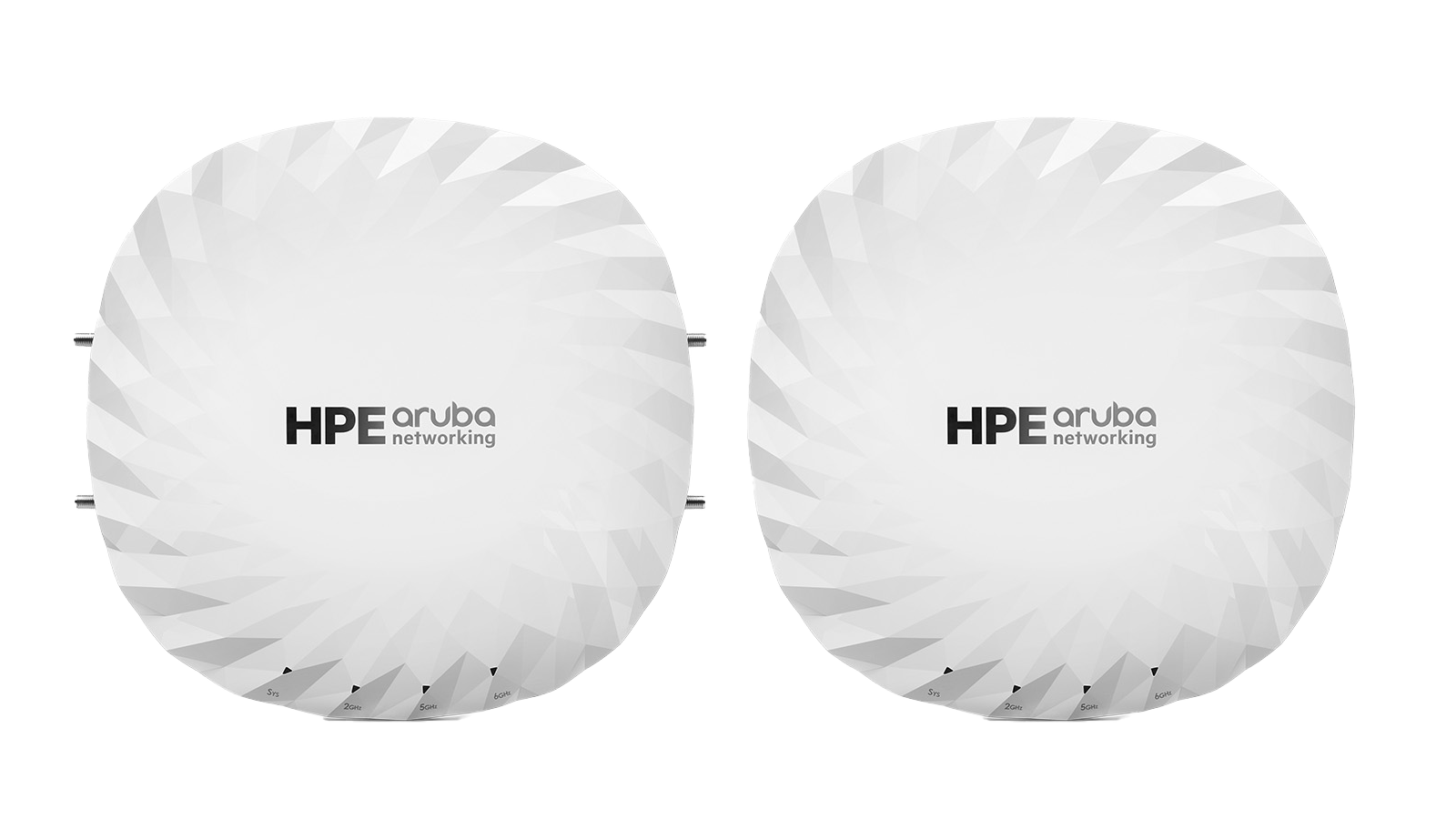
HPE Aruba Networking access points are the wireless edge hardware for enterprise, federal, SLED, and healthcare networks, covering indoor campus, hospitality, outdoor, and hazardous-location deployments in one vendor lineup. The current portfolio spans three Wi-Fi generations under one operating system: Wi-Fi 6 (500/530 Series), Wi-Fi 6E (610/630/650 Series), and Wi-Fi 7 (720/730/750 Series), plus purpose-built wall-plate hospitality models (500H/600H) and weatherized outdoor and EX-rated hazardous-location series (570/580/670, 580EX/670EX).
Picking the right series comes down to three variables: density, environment, and budget. A five-person branch office does not need the same AP as a 400-seat lecture hall, and a warehouse loading dock does not need the same enclosure as a server room. Combined data rates across the lineup run from roughly 1.5 Gbps on entry 500 Series hardware up to 18.7 Gbps (28.8 Gbps in dual-radio mode) on the flagship 750 Series, so the framework scales cleanly from a small office to a stadium concourse without switching vendors partway through.
Every current-generation model is built for HPE Aruba Networking Central, so a mixed deployment, Wi-Fi 6 in the back office and Wi-Fi 7 in the new wing, still runs on one policy engine, one dashboard, and one set of AI-driven RF optimization tools. Built-in Bluetooth and Zigbee radios on most series also mean IoT sensors and location beacons onboard directly, without a parallel network to manage. As an authorized HPE Aruba Networking partner, Uniqcli helps size the AP count and series mix to your actual floor plan before you commit to a purchase order.

A closer look
Why Aruba Access Points & Wi-Fi
Buying the wrong Aruba AP series is a recurring, expensive mistake: flagship hardware in a low-traffic closet wastes budget, while entry-tier APs in a packed lecture hall create the exact user complaints a refresh was supposed to fix. Because Wi-Fi 6, 6E, and 7 all run under the same Aruba Central management plane, IT teams can right-size each building or room by density and environment instead of standardizing on one SKU everywhere. Getting the series selection right up front, campus vs. hospitality vs. outdoor vs. hazardous location, avoids a second procurement cycle to fix coverage gaps after install.
One portfolio spans every environment
Indoor campus, wall-plate hospitality, weatherized outdoor, and hazardous-location EX models all run on the same AOS-10 software and Aruba Central management, so IT standardizes on one operating model across very different sites.
Three Wi-Fi generations, one selection framework
Wi-Fi 6 (500/530 Series), Wi-Fi 6E (610/630/650 Series), and Wi-Fi 7 (720/730/750 Series) let you match radio generation to actual density and budget instead of over-buying flagship hardware for a low-traffic closet or under-buying for a packed auditorium.
Density scales from branch office to stadium bowl
Combined data rates run from about 1.5 Gbps on entry 500 Series APs to 18.7 Gbps (28.8 Gbps in dual-radio mode) on the 750 Series, covering everything from a five-person branch to a high-density venue.
Outdoor and hazardous-location coverage without a different vendor
The 570, 580, and 670 Series extend the same management plane outdoors, and the 580EX/670EX Series add Class I Division 2 and ATEX Zone 2 certification for oil, gas, and industrial sites.
Built-in IoT radios across most of the lineup
Bluetooth 5 and Zigbee (802.15.4) radios ship integrated on the majority of current APs, from entry campus models through the flagship series, so sensors and beacons onboard without a parallel IoT network.
Cloud-managed with AI-driven RF tuning
HPE Aruba Networking Central applies AirMatch-class automatic channel and power tuning and ClientMatch-class roaming optimization across every AP in the portfolio, cutting the manual RF planning that used to follow every hardware refresh.
What it does
Full spectrum coverage in one portfolio
Wi-Fi 6 (500/530 Series), Wi-Fi 6E (610/630/650 Series), and Wi-Fi 7 (720/730/750 Series) share the same AOS-10 operating system and Aruba Central management, so a mixed-generation deployment still runs on one policy and monitoring plane.
A model built for almost every environment
Indoor campus, wall-plate hospitality (500H/600H), weatherized outdoor (570/580/670 Series), and Class I Division 2 / ATEX Zone 2 hazardous-location EX models (580EX/670EX) cover offices, hotels, warehouses, and industrial sites from the same vendor line.
Density-scalable radio design
Combined data rates step from roughly 1.5 Gbps on entry 500 Series APs up to 18.7-28.8 Gbps on the flagship 750 Series, so the same selection framework (density, environment, budget) scales from a branch office to a stadium bowl.
Built-in IoT radios on most series
Bluetooth 5 and 802.15.4 (Zigbee) radios are integrated into the majority of the lineup, from the 500 Series up through the 750 Series, so BLE beacons, asset tags, and Zigbee sensors onboard without a separate IoT gateway.
Cloud-managed from day one
Every current-generation AP is designed for HPE Aruba Networking Central, giving zero-touch provisioning, AI-driven RF tuning, and a single dashboard across every site regardless of which series is deployed where.
Multi-gigabit uplinks that scale with the radio
Wired ports scale from single 1 Gbps on entry models to dual 2.5/5 Gbps HPE Smart Rate ports on mid-tier APs and dual 10 Gbps on the 750 Series, so the switch side keeps pace with whichever Wi-Fi generation you deploy.
Precision location on select series
650 and 750 Series APs add built-in GNSS receivers and FTM support for indoor positioning, wayfinding, and asset-tracking use cases that lower-tier series do not carry.
Government-validated hardware and firmware
HPE Aruba Networking publishes formal government validations and accreditations documentation, and TAA-compliant configurations exist across the current-generation AP series for federal and public-sector procurement.
The Aruba Access Points & Wi-Fi lineup
500 / 530 Series
Entry-to-mainstream Wi-Fi 6 for offices, classrooms, and standard-density spaces where budget matters more than headroom.
Wi-Fi 6, 1.49-2.97 Gbps combined, dual 1-5 Gbps ports, BLE/Zigbee
610 / 630 / 650 Series
Adds the interference-free 6 GHz band for busier campuses, with the 650 Series topping the tier for high-density indoor coverage.
Wi-Fi 6E, 3.6-7.8 Gbps combined, dual 2.5-5 Gbps ports, GNSS on 650
720 / 730 / 750 Series
Current flagship generation for the highest-density buildings, latency-sensitive applications, and multi-year-horizon new construction.
Wi-Fi 7, 4.7-28.8 Gbps combined, up to dual 10 Gbps ports, dual IoT radios on 730/750
500H / 600H Series
Hospitality and remote-work APs that add wired ports for in-room TVs, phones, and devices alongside the wireless radio.
Wi-Fi 6/6E, wall-plate form factor, built-in Ethernet switch ports
570 / 580 Series (Outdoor)
Weatherized and temperature-hardened for building exteriors, parking areas, and industrial IoT deployments.
Wi-Fi 6, 1.49-2.97 Gbps, IP66, -40C to +65C, high-power BLE/Zigbee
670 Series (Outdoor Wi-Fi 6E)
Brings 6 GHz spectrum outdoors for outdoor venues and campuses needing more capacity than 570/580 provide.
Wi-Fi 6E, up to 3.9 Gbps, IP66, PoE-in on 2.5 GbE port
580EX / 670EX Series (Hazardous Location)
Certified for oil rigs, chemical plants, and industrial manufacturing sites where standard enclosures are not rated.
Class I Division 2, ATEX Zone 2, IP66, high-power radios
At a glance
- Wi-Fi generations in current lineup
- Wi-Fi 6 (802.11ax), Wi-Fi 6E, and Wi-Fi 7 (802.11be) across the full portfolio
- Entry-tier combined data rate
- Up to 1.49-2.97 Gbps on 500/530 Series (Wi-Fi 6)
- Mid-tier combined data rate
- Up to 3.6-7.8 Gbps on 610/630/650 Series (Wi-Fi 6E)
- Flagship combined data rate
- Up to 18.7 Gbps (28.8 Gbps dual-radio mode) on 750 Series (Wi-Fi 7)
- Wired ports
- 1 Gbps on entry models up to dual 2.5/5 Gbps HPE Smart Rate and dual 10 Gbps on the 750 Series
- IoT radios
- Integrated Bluetooth 5 and 802.15.4 (Zigbee) on most series; dual IoT radios on 730/750 Series
- Hospitality form factor
- 500H/600H Series wall-plate APs with built-in Ethernet switch ports
- Outdoor rating
- 570/580/670 Series, IP66, -40C to +65C operating range
- Hazardous-location rating
- 580EX/670EX Series, Class I Division 2, ATEX Zone 2
- Management
- HPE Aruba Networking Central (cloud), with AOS-10 AI-driven RF optimization
How to buy Aruba Access Points & Wi-Fi
Aruba access points are sold as hardware plus a management subscription, so getting the tier right on both sides of that equation is where most quotes go wrong. Uniqcli quotes the full stack together so procurement gets one clean line item instead of a hardware order that arrives without a working management license.
Per-AP hardware, sized by series
Each AP model is its own SKU with a fixed list price. Volume campus refreshes (50, 100, 500+ units) typically standardize on one or two series to simplify spares, mounting hardware, and PoE budget planning across IT and facilities.
HPE Aruba Networking Central subscription tiers
Foundation and Advance license tiers gate features like AI-powered RRM, ClientMatch, and full-fidelity analytics. Subscriptions run 1, 3, or 5 years per device and must be active for cloud management, so quote hardware and licensing together, not separately.
GreenLake for Networking (consumption)
APs, switches, and gateways can be delivered as a metered service under an HPE GreenLake agreement, useful for agencies and enterprises that prefer OPEX budgeting or need to scale AP count with occupancy or enrollment.
Federal and public-sector contract vehicles
TAA-compliant configurations are available across the current AP lineup and Aruba networking gear carries government validations and accreditations documentation. We quote against GSA MAS (application in progress), SAP/FAR channels, GPC direct, and state/local cooperative contracts, and accept GPC purchase card for smaller orders.
Trade-in and refresh bundles
Retiring older Wi-Fi 5 or early Wi-Fi 6 APs can offset the cost of a 500/600/700-series refresh. Ask about our refresh program to bundle removal, disposal, and new-AP procurement into a single PO.
Where it fits
Frequently asked
Which Aruba AP series should we standardize on?
Match the series to density and environment first, budget second. Offices and classrooms with moderate device counts fit the 500/530 Series (Wi-Fi 6) or 610/630 Series (Wi-Fi 6E). High-density lecture halls, open floor plans, and stadiums fit the 650 Series or the Wi-Fi 7 720/730/750 Series. Outdoor and warehouse sites need the 570/580/670 Series, and hazardous locations need the 580EX or 670EX. We run this selection with you before you commit to a quantity.
Do we need Wi-Fi 7, or is Wi-Fi 6E or Wi-Fi 6 enough?
Most deployments do not need Wi-Fi 7 today. Wi-Fi 6 (500/530 Series) still covers standard office and classroom density well, and Wi-Fi 6E (610/630/650 Series) adds the interference-free 6 GHz band for busier sites. Wi-Fi 7 (720/730/750 Series) is worth the premium for the highest-density spaces, latency-sensitive applications, or new builds planning for multi-year headroom.
What is the difference between the 500H/600H hospitality APs and standard campus APs?
Hospitality APs are wall-plate form factors with built-in Ethernet switch ports for in-room devices such as TVs, phones, and set-top boxes, in addition to the wireless radio. The 500H Series delivers up to 1.5 Gbps combined and the 600H Series adds Wi-Fi 6E with a 2.5 GbE uplink and multiple gigabit downlink ports, both purpose-built for hotel rooms, dorms, and remote-office desks rather than open-ceiling campus mounting.
Can Aruba access points be used outdoors or in hazardous locations?
Yes. The 570 and 580 Series are weatherproofed and temperature-hardened for exterior deployment (-40C to +65C), and the 670 Series adds Wi-Fi 6E outdoors. For classified hazardous environments such as oil rigs, chemical plants, and industrial manufacturing, the 580EX and 670EX Series carry Class I Division 2 and ATEX Zone 2 certification with IP66 sealing.
Do all Aruba APs require a cloud management subscription?
Current-generation Aruba APs are designed around HPE Aruba Networking Central, and full functionality, including AI-driven RF optimization and multi-site visibility, requires an active Central subscription (Foundation or Advance tier) per device. We quote hardware and the correct license tier together so nothing arrives without a working management plane.
How many access points do we need for our space?
It depends on square footage, building materials, ceiling height, and concurrent device count per user, not just square footage alone. A predictive site survey or Aruba's design tools size the AP count and placement. As a rule of thumb, high-density series like the 650 or 730 cover busier areas with fewer total units than entry-tier APs, which can offset some of the per-unit cost difference.
Are these access points TAA compliant for federal purchases?
TAA-compliant configurations exist across the current Aruba AP lineup, and HPE Aruba Networking maintains published government validations and accreditations documentation. Tell us your specific model and end-use requirement and we will confirm the TAA-compliant SKU and country-of-origin documentation before you place the order.
Where do we get a quote for a mixed-series Aruba AP deployment?
Uniqcli, an authorized HPE and HPE Aruba Networking partner, quotes multi-series AP deployments alongside the matching Aruba Central licensing, switching, and PoE requirements in one proposal. Start a quote request and tell us your site count, environment mix, and target contract vehicle (GPC, SAP, FAR, GPC direct, or GPC) and we will build it out.
Works with
An access point is one piece of the wireless edge. The switch feeding it, the identity and NAC layer authenticating clients, and the cloud console tying it all together determine whether the deployment is actually manageable at scale.
Compare before you buy
All comparisonsHPE Aruba Networking for Campus Wi-Fi vs Cisco for Campus Wi-Fi
Aruba vs Cisco for Campus Wi-Fi: Stack & TCO Compared
HPE Aruba Networking for Campus Wi-Fi vs Juniper Mist for Campus Wi-Fi
Aruba vs Juniper Mist for Campus Wi-Fi: HPE's Two Paths
HPE Aruba Networking Central vs Cisco Meraki
Aruba vs Meraki for Cloud-Managed Networks (2026)
HPE Aruba Networking for Stadium Wi-Fi vs Cisco for Stadium Wi-Fi
Aruba vs Cisco for Stadium Wi-Fi: High-Density Venue Guide
Related in Networking

Aruba Central
AI-native cloud management for the whole network, with agentic AIOps and a GreenLake Copilot that reasons and acts

Aruba ClearPass Policy Manager
The multivendor NAC engine behind Aruba's Zero Trust access, hardware, virtual, or GreenLake, sized from 100 to 100,000 endpoints
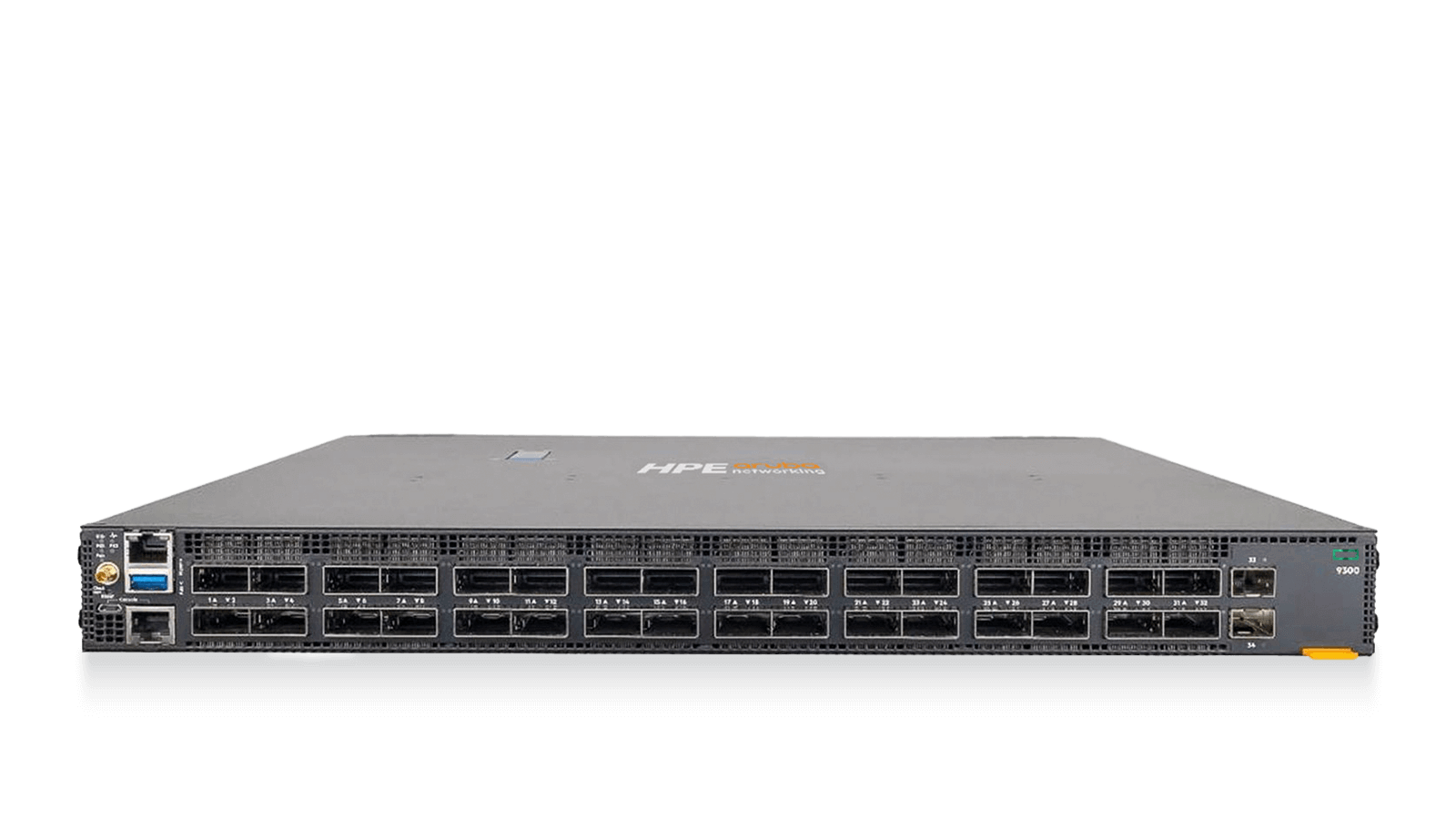
Aruba CX Switching
Cloud-managed AOS-CX switches from ruggedized edge access to 400G DPU-accelerated AI data center fabrics
Shop Aruba Access Points & Wi-Fi in the catalog
See all results
Aruba Mounting Box for Wireless Access Point
S0J42A
Aruba Mounting Box for Wireless Access Point
Aruba Ceiling/Wall Mount for Wireless Access Point
JW046AR
Aruba Ceiling/Wall Mount for Wireless Access Point
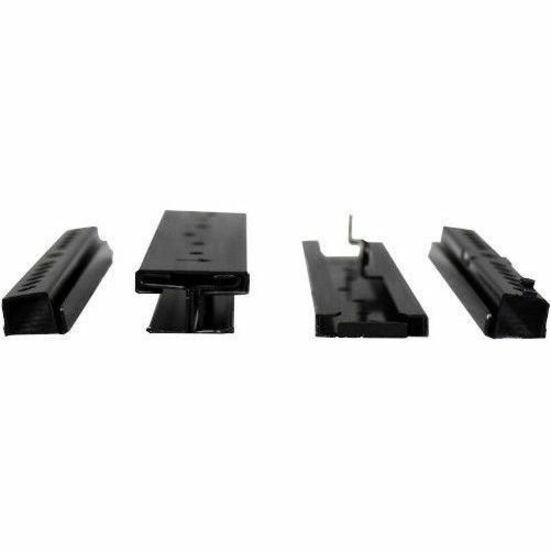
S4K79A
Aruba Mounting Bracket for Wireless Access Point, Network Device
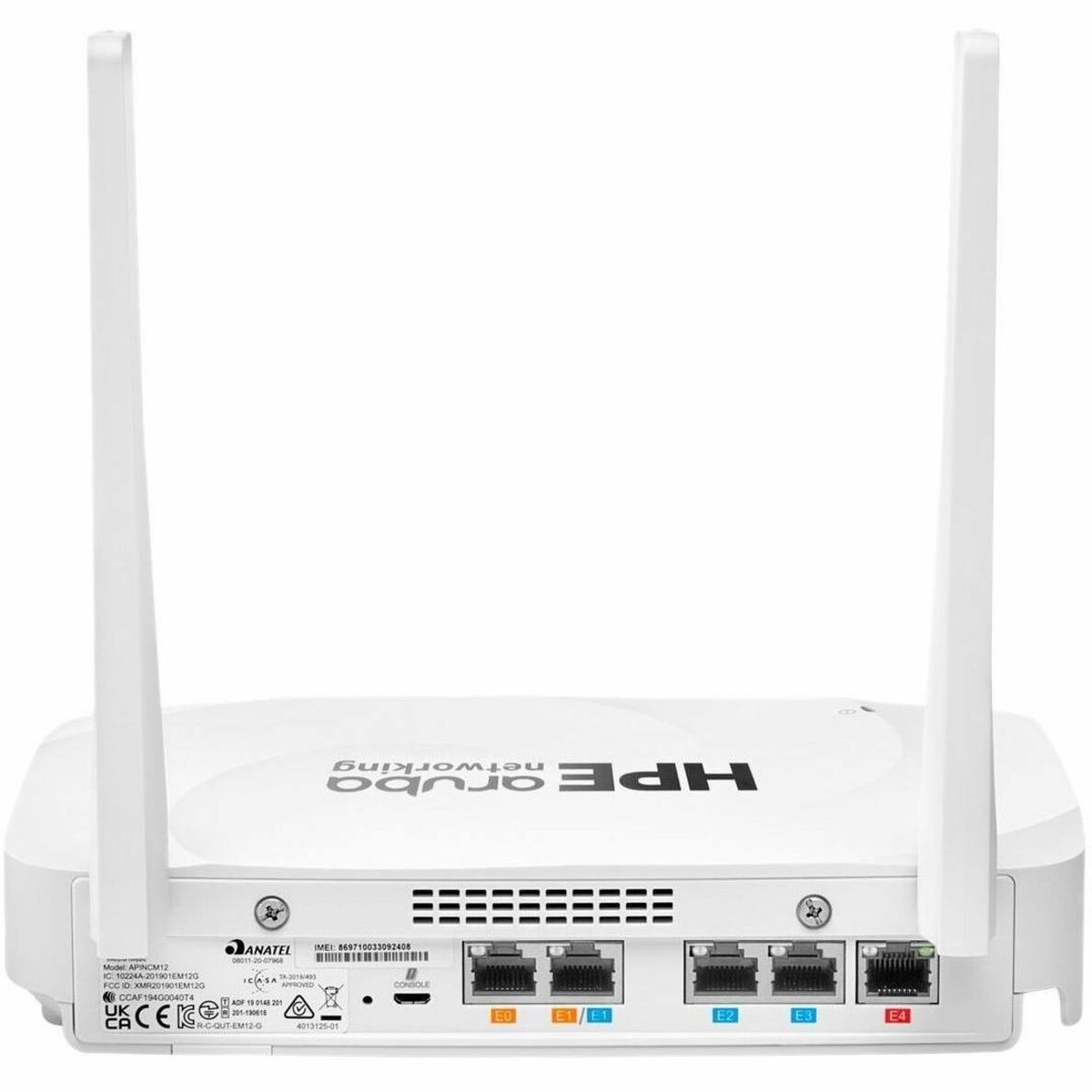
R8N34A
Aruba AP-605CM12 Wireless Module
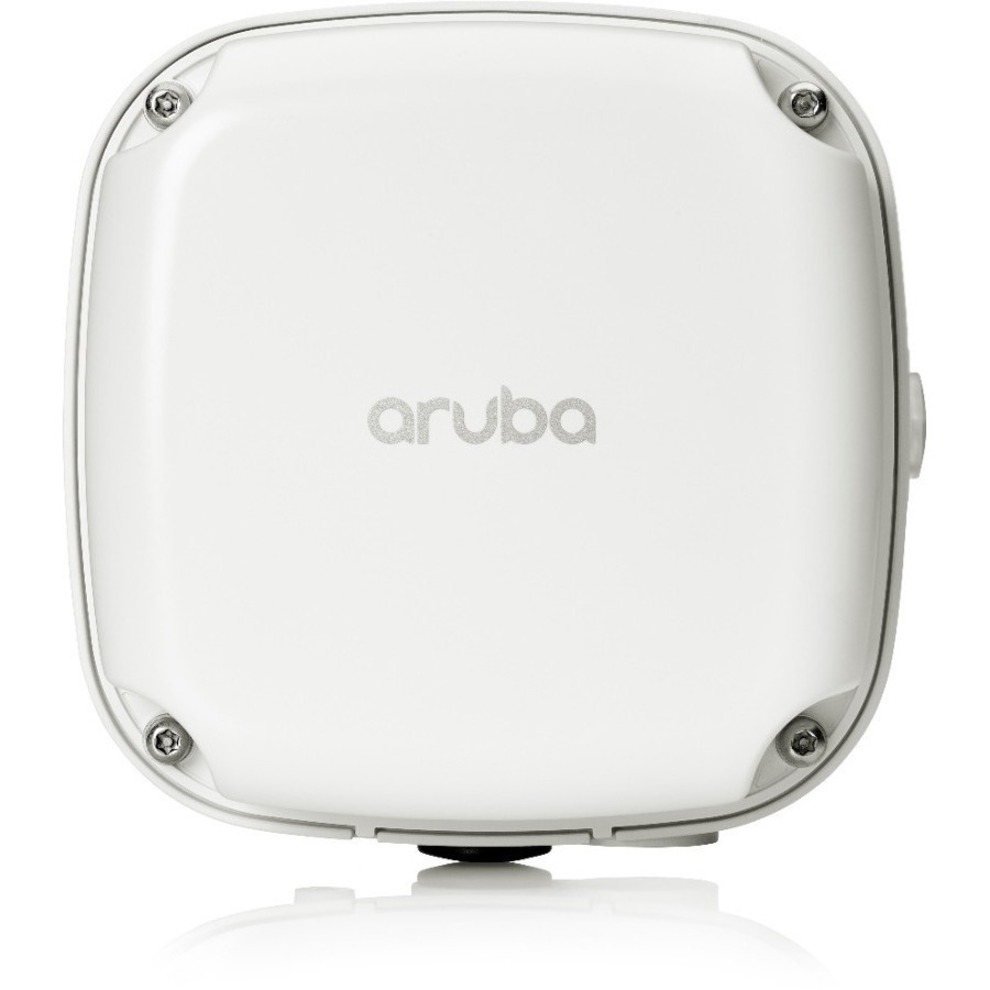
R4W48AR
Aruba AP-567 802.11ax 1.73 Gbit/s Wireless Access Point
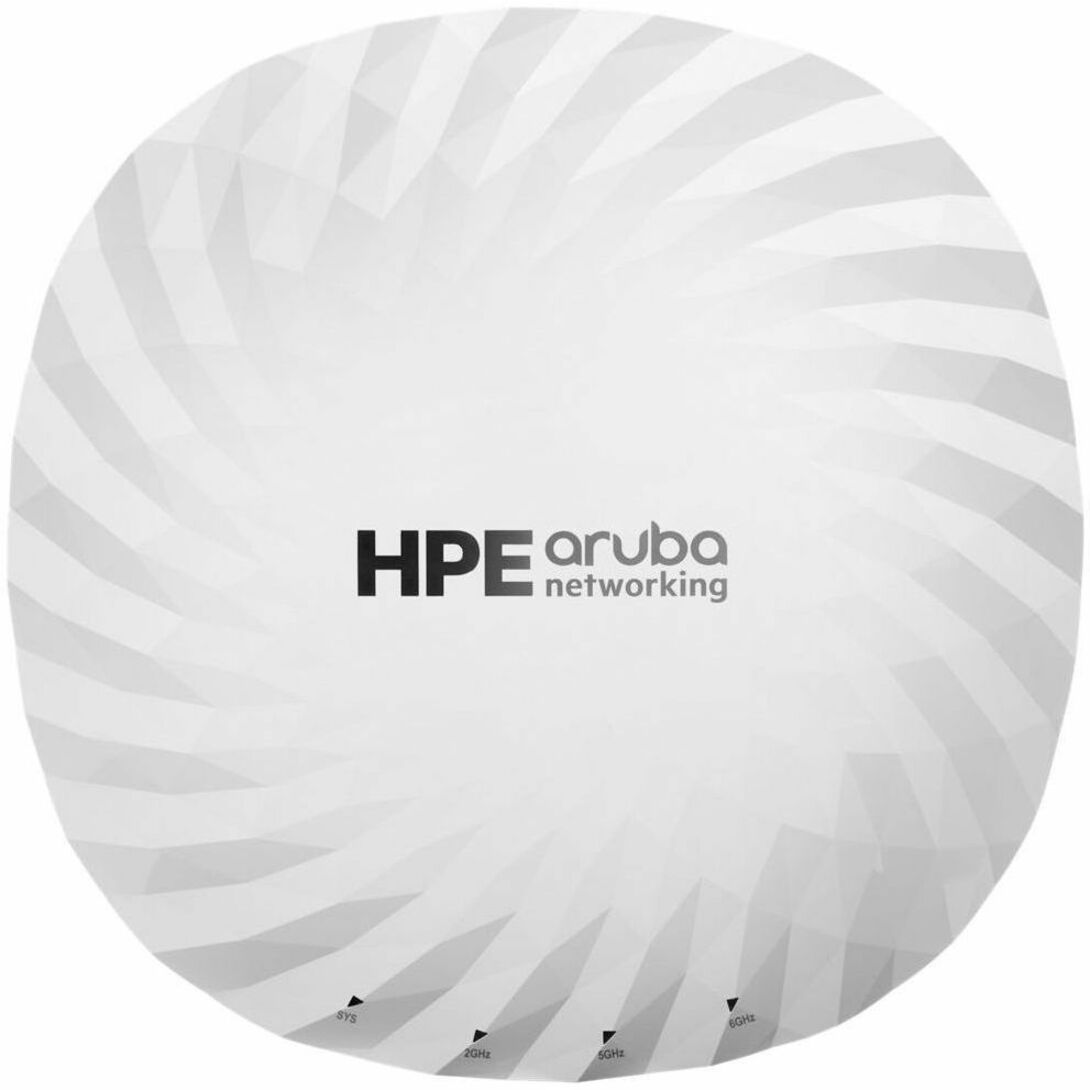
S1G84AR
Aruba AP-755 Wi-Fi 7 IEEE 802.11be Wireless Access Point
Aruba Dust Cover
S1H26A
Aruba Dust Cover
Aruba Dust Cover
S1H25A
Aruba Dust Cover
Build your HPE bill of materials.
Send us the requirement, the project, or an existing quote to beat. We come back with a validated, TAA-compliant HPE configuration and a real price, often below list.
connect [at] getuniqcli.com · Chicago, IL