
"Intent-Based Data Center Automation with Juniper Apstra: From Day 0 to Day 2"
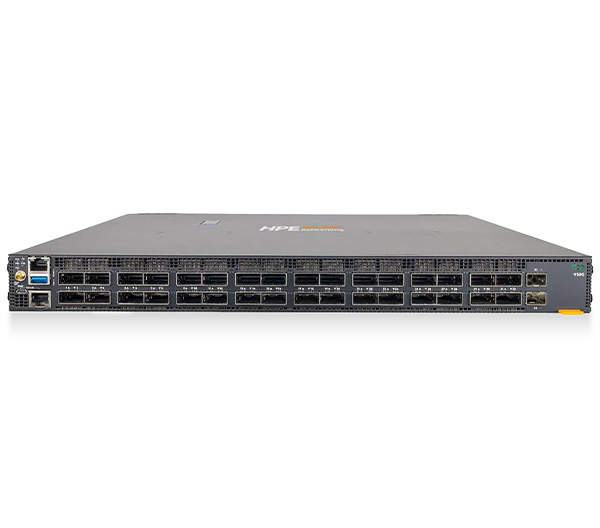
Building and operating a modern data center fabric by hand—box by box, CLI line by CLI line—does not scale, and it does not stay correct. Juniper Apstra takes a different approach: you describe the fabric you want, and Apstra builds it, validates it continuously, and tells you the moment reality drifts from intent. For federal, SLED, healthcare, and enterprise teams under pressure to standardize and automate, this is how you turn a rack of switches into a self-documenting, self-checking system.
The problem: data center fabrics that fight back
Spine-and-leaf fabrics running EVPN-VXLAN are now the default for the data center, and for good reason—they scale horizontally, isolate failure domains, and support multi-tenancy. But the operational reality is harsh. A single 3-stage Clos fabric can mean hundreds of device-level configuration stanzas for the underlay (eBGP), the overlay (EVPN), VTEPs, route targets, and routing policy. Every change is an opportunity for a typo, a mismatched route target, or a half-applied config that passes review and fails in production.
The deeper issue is that the CLI is the source of truth only until someone logs in and changes it. Configuration drift—an out-of-band fix during an incident, a forgotten test change—accumulates silently. Without continuous validation, you do not discover the gap until traffic breaks. And if your estate spans more than one switch vendor, you are now maintaining parallel automation toolchains and tribal knowledge for each. This is exactly the gap intent based networking was designed to close.
The Juniper Apstra approach: intent in, validated fabric out
Juniper Apstra is an intent-based network system for the data center. Instead of configuring devices, you define a blueprint—your desired topology, address pools, routing policy, and connectivity intent. Apstra renders that intent into vendor-specific device configuration, pushes it, and then holds the network accountable to it.
A few principles make Juniper Apstra different from a config-pusher:
- A single source of truth. Apstra models the entire fabric as a contextual graph database. The graph—not the running config on any individual switch—is authoritative. Every cabling map, ASN, IP pool, and policy is a node or relationship you can query and reason about.
- Reference-design-driven fabrics. Apstra builds validated Apstra EVPN VXLAN designs out of the box: 3-stage and 5-stage Clos topologies, plus collapsed-spine designs for smaller sites. The underlay and overlay are built on eBGP following Juniper Validated Designs, so you inherit a proven architecture rather than inventing one.
- Incremental, reviewable change. When you modify intent, Apstra computes only the delta of configuration required and stages it for review before commit. You see exactly what will change before it touches a device, and you can roll back if needed.
This is what makes fabric automation durable: the abstraction layer means a change to intent ("add this VLAN to this tenant," "extend this VRF across the fabric") is expressed once and rendered correctly to every affected device.
Vendor-agnostic by design
One of Apstra's defining strengths is that it does not assume a single-vendor estate. The same intent model and graph-based blueprint can drive switches from multiple network operating systems—Juniper Junos OS and Junos OS Evolved, Cisco NX-OS, Arista EOS, and SONiC among them. (Always confirm exact qualified device and NOS versions against Juniper's current Apstra qualified-devices list, since the support matrix evolves release to release.)
For procurement teams, this is strategically important. It means your automation investment is not locked to a single hardware vendor, you can standardize operations across a mixed brownfield estate, and you can evolve hardware over time without re-platforming your operations model. It also makes Apstra a natural anchor for a Juniper-led refresh that still has to coexist with installed gear during migration.
Day 0 to Day 2: the full lifecycle
The real payoff is across the operational lifecycle, not just the build.
- Day 0 — Design. Define racks, templates, logical devices, and the reference design. Apstra produces the cabling plan and resource allocations before anything is racked.
- Day 1 — Deploy. Apstra renders and pushes configuration to the fabric. Devices come up against the blueprint, and Apstra confirms they match intent.
- Day 2 — Operate. This is where Apstra earns its keep. It continuously validates the live network against intent: checking that BGP sessions are up, that cabling matches the plan, that EVPN routes are present, and that no out-of-band change has introduced day 2 operations networking drift. When something deviates, Apstra raises an anomaly tied to the specific intent it violates—so you are debugging against a known-good baseline instead of guessing.
Continuous validation and automated rollback are the features that change the operational posture. Instead of periodic audits, you get always-on assurance and a documented, queryable record of what the network is supposed to be.
Outcomes that matter to buyers
- Faster, lower-risk changes. Intent-driven, reviewable deltas cut change windows and human error in data center automation workflows.
- Audit and compliance readiness. The graph and continuous validation give you defensible evidence of configuration state—useful for healthcare, federal, and SLED compliance regimes.
- Lower operational cost. One operations model across vendors reduces the toolchain sprawl and specialized headcount a mixed fabric otherwise demands.
- Resilience. Drift detection and rollback shrink mean-time-to-repair and prevent silent misconfiguration from becoming an outage.
How to choose: is Apstra right for your fabric?
| Scenario | Apstra fit | Notes |
|---|---|---|
| New EVPN-VXLAN data center build | Strong | Validated 3-/5-stage designs from Day 0 |
| Small / edge site | Good | Collapsed-spine reference design |
| Mixed-vendor brownfield fabric | Strong | Vendor-agnostic intent and validation |
| Single small switch stack, no fabric | Weak | Overhead may exceed benefit |
| Compliance-driven environment | Strong | Continuous validation as audit evidence |
If you run—or are building—a spine-leaf fabric and care about change safety, drift, and multi-vendor flexibility, Apstra is built for you. If you have a handful of access switches and no fabric, simpler tooling will serve.
How Uniqcli helps
Uniqcli is an authorized HPE and HPE Juniper Networking reseller, and we help buyers scope, acquire, and operate Apstra-driven fabrics end to end:
- Scope and design. We work with your team to size the fabric (3-stage, 5-stage, or collapsed), select qualified switches (Juniper QFX and compatible multi-vendor gear), and map an Apstra blueprint to your tenancy and policy requirements.
- Procurement, the way the public sector buys. We support TAA-compliant acquisition and procurement through GSA, SEWP, and E-Rate vehicles for eligible federal, SLED, healthcare, and education buyers. We help you assemble a clean, compliant bill of materials—request pricing through our quote team.
- Deploy and validate. We assist with Day 0/Day 1 rollout, reference-design configuration, and standing up continuous validation so you go live against intent.
- Support. Ongoing licensing, lifecycle, and support so Day 2 stays healthy.
Browse Juniper networking products, explore the full catalog, or compare fabric options before you commit.
FAQ
What is Juniper Apstra in one sentence? It is an intent-based network system that designs, deploys, and continuously validates data center fabrics—especially EVPN-VXLAN—so the network stays aligned to your defined intent across Day 0 through Day 2.
Does Apstra only work with Juniper switches? No. Apstra is vendor-agnostic and can manage multiple network operating systems including Junos OS, Cisco NX-OS, Arista EOS, and SONiC. Confirm exact qualified models and NOS versions against Juniper's current Apstra support matrix.
How does Apstra handle configuration drift? Apstra continuously validates the live fabric against the blueprint and raises anomalies when devices deviate from intent, with automated rollback to restore the known-good state.
Can we buy Apstra and the supporting fabric on a government contract vehicle? Yes—Uniqcli supports TAA-compliant procurement through vehicles such as GSA, SEWP, and E-Rate for eligible buyers. Start with a quote and we will confirm the right path for your organization.